My Review of the Lecture: Our Bodies, Our Nature: Breastfeeding & Maternal Ideology in the mid-20th Century America
January 19, 2013
On Thursday evening January 17, 2013 I attended a lecture at the New York Academy of Medicine. The title was Our Bodies, Our Nature: Breastfeeding & Maternal Ideology in mid-20th Century America.

This was presented by Jessica Martucci, PhD. She is an historian and gender studies professor. This lecture was from her research on the history of breastfeeding and environmental contaminants. She is also writing a book called Back to the Breast: Natural Motherhood and Breastfeeding in the 20th Century.
Breastfeeding research always interests me. What piqued my interest in attending this lecture was Ms. Martucci’s seeming attack on La Leche League. The descirption on the announcement has this quote:
“In 1972, the international breastfeeding support organization La Leche League published a pamphlet titled “DDT and Mother’s Milk,” which addressed the problem of tainted breast milk. “Many mothers have wondered whether they should discontinue nursing their babies,” they wrote, adding “The answer is ‘No.'” As much as the League wished the issue of DDT and other toxins in milk would just go away, environmental contaminants have been a persistent issue in scienitific and popular discussions of breastfeeding.”
Now perhaps I was wrong. I went to the lecture with an open mind.
The presentation was interesting. She paralleled the resurgence of breastfeeding with the contamination of the environment. She also discussed her concept of Natural Mothering. She somewhat spoke on it’s impact on feminism.
She pointed out two environmental researchers who had been breastfeeding while doing research on environmental contaminants and had their own milk tested. Glenda Daniel made the decision to discontinue breastfeeding her daughter sometime around 1980. She then discussed Florence Williams, a science writer, who in 2005 wrote an article for the New York Times titled Toxic Milk. Ms. Williams decided to continue to breastfeed her daughter despite the environmental contaminants. She wanted to know why these two women made different decisions with nearly the same data. I found two big missings in this parallel. One big missing was Sandra Steingraber, the ecologist and author, who also continued to breastfeed her children knowing the environmental impact.
The other big missing in my opinion is that we know much more about human milk than we did thirty years ago. Perhaps Ms. Daniel did not understand what she was giving to her daughter in terms of immunity and long term protection from diabetes, cancers, obesity while she was breastfeeding her.
She also chose to show examples of prominent women in the natural motherhood movement who had breastfeeding failure. She highlighted the experience of Eleanor Agnew from her book Back From The Land. Ms. Agnew had two terrible bouts of mastitis and discontinued breastfeeding.
Ms. Martucci seemd to have a subtle, but palpable dislike for La Leche League and breastfeeding. I could not call her on it for it’s subtlety nor would it be my place. She referred to the organization as The League.
This was not the forum to ask her about her personal life. I wanted to know if she is a mother, if so, did she breastfeed? I wanted to know if she was breastfed herself. I wanted to know what her birth experience was like.
My big question during the Q & A was “How many babies have died as a result of being nursed from polluted breasts?” While Ms. Martucci said that data has not been collected the was a resounding “None” from the audience.
The great thing about the evening was that the audience was peppered with physicians and scientists who spoke of the importance of breastfeeding despite the environment.
The big take home was that we need to act to clean up our polluted world.
When I go to the home of a new mom I am often shocked to see all of the stuff in the home. I shouldn’t be. I once had a new baby and had more items than I needed. And these days there is more. Aren’t we supposed to be paring down? Saving the environment? Living simpler? Remember, I am seeing families in New York City. These are not big homes. Most are less than one thousand square feet.
In winter 2002-2003 I had been a mom for seven years. I had two children at the time. I had been in the mom trenches for some time. I was in Chelsea a neighborhood with a new baby superstore. I wanted to lay my eyes on the new store I had heard so much about. Well, as I walked into the city block sized behemoth my eyes filled with tears. I was so overwhelmed with the thousands of items targeted at new and expecting parents. This explained the piles of unnecessary items in these homes.
I recently did a quick Google search to look at baby registries. The suggested registries had between 8 and 12 categories with 6 to 30 items in each category. That would be as many as 630 items for your new baby! That is a lot of real estate!
Let me guide you through a realistic registry.
First thing: avoid superstores! They overwhelm and oversell. You do not need 80-90% of what they would have you think you need. You may WANT some items but you do not need most of the items suggested.
Clothes: do not over buy. First, your friends and family love buying baby clothes! Leave something for them. Yes, you want to be prepared with a few onesies and some soft blankets, socks and hats but your baby will grow and you do not need too many of the tiny clothes.

For sleep you may want to wait for a crib to see if you will actually use one. In the first several weeks your baby will sleep in your room in a bassinet, a Moses basket or next to you, so either one of these or a bed rail will get you through these first couple of months. This will give you time to look around and see what kind of sleeping arrangements you will decide upon.


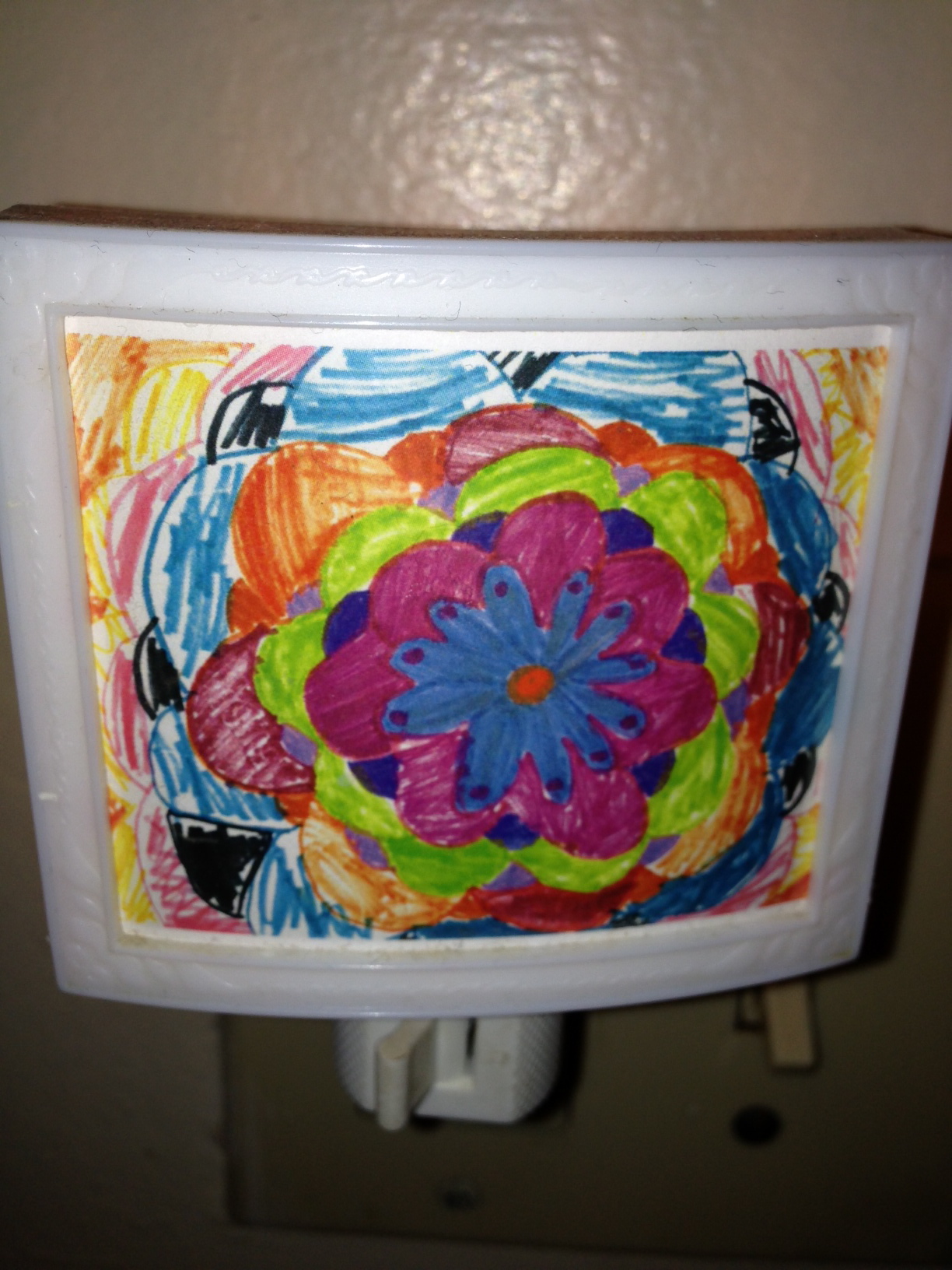
I do like a night light for the middle of the night so that you do not light up the room and have your baby thinking it is party time. You want to be able to see while keeping the nighttime atmosphere.
Diapering: whether you use cloth or disposable diapers it is a good idea to have plenty on hand. Babies pee and poo a lot! Having a space to change the baby is good. Better is to have more than one place for changing the baby. In New York City it can be considered a luxury to have a changing table. Many will have the table on top of a dresser – this saves space. I also think everyone should have a portable changing pad so that you can change the baby in your bedroom and in the living room.
You can get wipes or you can make them by using water and paper towels, or better yet, those soft baby washcloths.

Diaper ointment? You do not need to use it unless your baby has a diaper rash and if he does you can use raw virgin coconut oil. You can use this on the baby’s bottom, on her skin to moisturize, on your own skin and you can cook with it. There are no mineral oils or other harmful additives. You can have a jar in the pantry and in the medicine cabinet.
You may want a few baby towels and those washcloths. A portable bathtub is a good item.
I love the lists for feeding. If you are breastfeeding you do not need anything from the store. The stores will certainly make you think you need to buy breastfeeding items. You do NOT need a special pillow – they mostly get in the way of comfortable feeding. And please, please do not get a nursing cover! Do you get a cover for any other feeding in your life? Why put a tent around your baby? If you are trying to be discreet it just draws attention to you.
Regarding pumps, if you really need to pump at the beginning you will do best to use a rental grade pump. Before you purchase a pump you need to see what your situation will be. Will you be back to work full-time? Do you need to pump only occasionally? Do you even need to pump?
Regarding bottles please do not fall victim to the marketers who want your money. All bottles are not created equal and no bottle will mimic a human! Consider something slow and not too big. The formula sample bottle nipples are super fast.
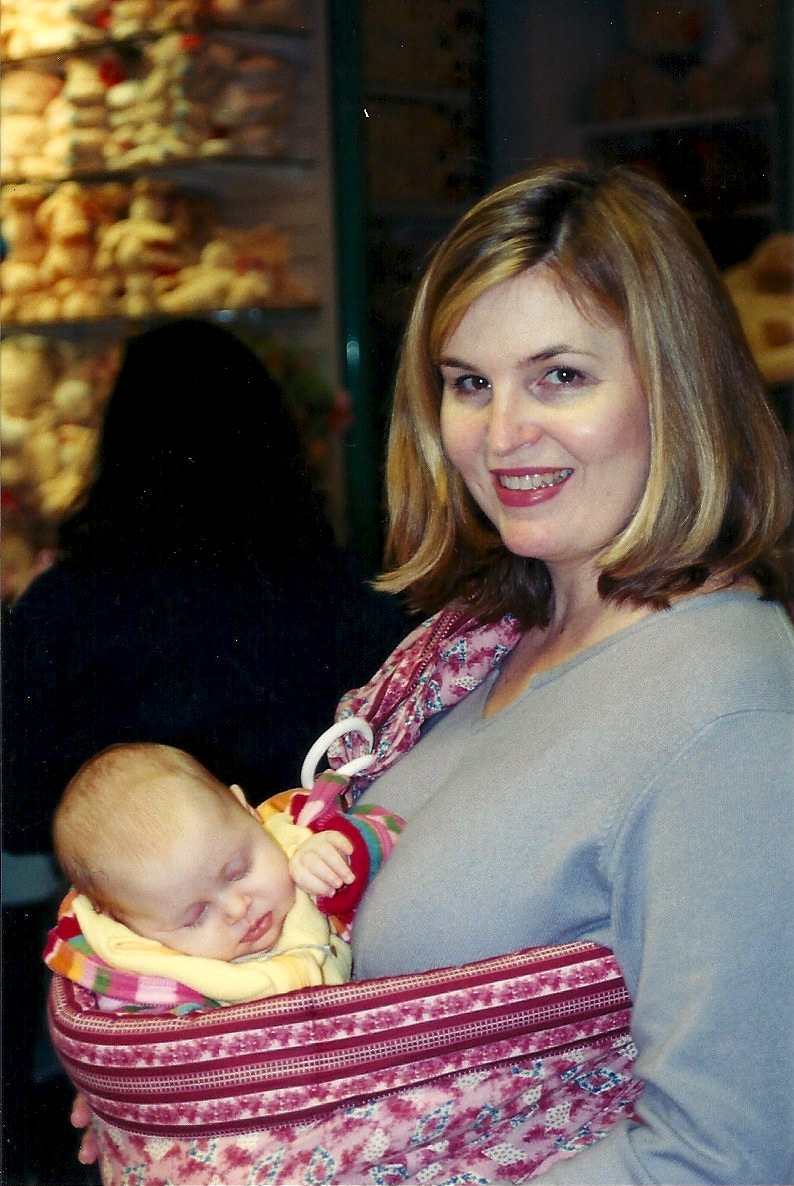
Strollers! Ah! How will you get your baby around? I did not see any baby carriers on my samples of registries. Wearing your baby is essential no matter where you live. Put that baby on in urban settings for getting from place to place. Put that baby on in the suburbs to go for a walk or go to the grocery store. Put that baby on in your home so you can get things done like make yourself a sandwich.
Now, back to strollers. Where do you live? Is it a walk up? You certainly do not need a huge pram going up and down the stairs.

In an urban setting a sturdy lightweight stroller is a must. Something you can quickly fold and unfold with a strap to go on your shoulder and a pouch at the bottom to carry your sling! This stroller will be great for grocery shopping- you wear the baby and put the groceries in the stroller.

Of course, if you are ever going to put your baby in a car a car seat is a must.
Safety gadgets: So there are certain things like outlet covers that are good and a gate or two near stairs or a particular room. But please do not cordon off your entire home. A baby needs to learn to be in space and to understand that there are some areas that you respect and learn to live with; for example, a bookshelf. Babies need to learn that a bookshelf holds books and they are not to be tossed about. Plants – a baby needs to learn that plants are to be admired and watered but not ripped apart.
Walk around your home, then crawl around your home and see what danger looms but do not restrict your baby as she learns to crawl to a padded cell. She will not know how to behave in the real world.
When people ask you what you want or need tell them to start a college fund or to buy you food. Maybe real estate but do not buy things just because there is a store wanting to sell you stuff. Ask your friends what they really used and think about if you have the same personality as that friend or the same size home.
Until your baby arrives pamper yourself and practice taking naps. Naps are one of new parents best survival tools!

Formula and Clinique
July 18, 2012
Why are people up in arms about Mayor Bloomberg banning formula “gift” bags in NYC hospitals?
People think he is taking away a woman’s right to choose how to feed her baby. No, this is not the case.
Let’s talk about marketing. Basically the hospitals are marketing formula and they are not getting paid for this. In fact, it takes money to manage the storage and distribution of this product. Yes, the product. Formula is a product. The formula industry is a for-profit enterprise.

Let’s take Clinique. I love Clinique Bonus time.
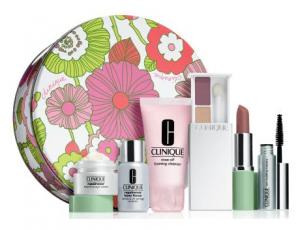
I even subscribe to an e-mail alert system that tells me when and where Clinique is having their next Bonus. I remember in high school going to the Cross creek Mall with Mama and Traci and we would go to Thalhimers or Belk to the make-up counter and inquire about the next Clinique Bonus. Eventually the finely made-up ladies behind the counter saw we were loyal consumers and would clue us in – the Spring Bonus starts next week. Or the Fall Bonus is begins October 3. I became a customer. Not so much of Thalhimer’s or Belk but of Clinique. You had to spend a minimum amount of money to get the “gift.” This is how is started using Clinique lipstick and mascara. For many years I wore Crystal Violet. I was truly saddened when they discontinued that color – it was what I wore on my wedding day.

I never thought I would like myself in a frosted lipstick until I got a sample of Heather Moon – my replacement for Crystal Violet. I use Bamboo Pink on those days I don’t wear make-up – like when I go to the beach or gym (yes, I wear lipstick to the gym but that is all – I have very pale lips and well, I am a southern woman.)
I even became a Freelance Fragrance/Make-up Model in the late 80’s when I moved to New York and was a struggling actor. I loved getting the Clinique gig! Twice a year at Lord & Taylor, Bloomingdales and Saks. I learned a thing or two about make-up and I learned a thing or two about the cut-throat Store Modeling industry. But I always got the Bonus!
I don’t use every thing that comes with the Bonus. I used to trade items with Mama and Traci. Then I gave the unused products to varying roommates and friends. Now, I share with my daughters.
I would be sad if Clinique stopped their Bonus. But I don’t think they will. They got me hooked over twenty years ago and there are millions more to hook to keep them in business.
They spend lots of money promoting their product. The lines at the Clinique counters during Bonus time can be more competitive than getting the Select bus at 14th and First at 9:00am (lots of shoving and elbows.) The last Clinique Bonus I got just recently at Lord & Taylor took up a good percentage of the first floor. They will rotate it for the next Lancome or Estee Lauder Bonus.
This is what the hospitals do so freely. They donate their space for the formula companies to store their product. The companies that make the formula make the hospitals sign a contract to only give their brand. This then makes the parents of new babies believe that the hospital endorses this specific brand. And guess what? By giving away this product the hospital is endorsing the Brand.
Formula companies want your business. The formula industry rakes in billions of dollars annually. And your hospital is helping to promote and pay for the promotion of their product.
And, it has been proven over and over that when formula is promoted breastfeeding is compromised.
If you want to feed your baby formula no one is stopping you.
To Pump or Not to Pump
March 25, 2012
When I was pregnant with Phoebe is 1995 I took a birthing class and a breastfeeding class. In week six of the birthing class the teacher brought in a guest – a woman who rents breast pumps. The businesswoman made it clear that if a person was to be breastfeeding she would need a good quality pump.
Phoebe and I struggled for a few days but got the hang of nursing and all was well. The pediatricians were impressed with her weight gain and were nearly shocked I was exclusively breastfeeding. Looming in the back of my mind was that little voice of the woman “you need a breast pump, you need a breast pump.”
After about four weeks I found a local pharmacy that rented pumps and plopped down my $212.32 for a two-month rental with all of the supplies. I brought it home and it sat on the kitchen table. Rob came home that evening and saw the new appliance in the kitchen and said, I see you got the pump.
Day after day, Phoebe and I developed our routine. We both loved nursing and she grew so beautifully. Rob loved watching her nurse and saw how happy she was. When I thought she was nursing too much he is the one who pointed out how happy we both were at these moments.

About two weeks after I rent the contraption I realize I have spent this money and I had better use the thing. Phoebe lay asleep on the bed off the kitchen and as I watched her I set up the machine and began to pump. It was fascinating to watch my milk flow out of my breasts into the bottles. After about ten or fifteen minutes I had collected about three quarters of an ounce. I placed it in the refrigerator so Rob could feed it to her in the next day or so. After all, shouldn’t I let him get involved in this parenting adventure. Why should I be the only one to bond with our little girl?
That night Rob came through the door beaming as usual to see us at the end of the day. He was followed by a thunderstorm that rattled our little house. The lights flashed off and on and off. The electricity was out. My mind went directly to the fridge where my precious liquid gold sat on a wire shelf. Rob, the electricity! My milk! You must feed it to her now before it goes bad! I ran to the kitchen ran the bottle under hot water and handed it to Rob with a hungry wiggly Phoebe in his arms. She started to root on his chest. He placed the bottle in her mouth she looked in his trusted eyes as if to say: What the hell are you doing? I stared at them and my breasts began to tingle. They struggled, both looking betrayed.
Give me that bottle, I said. I unscrewed the nipple and poured the milk down the drain. Let me hold her. I latched her on and we all melted into the normal little family we knew. Is it okay if I don’t pump? I asked Rob. Of course, I never asked you to. I don’t need to feed her to feel connected.

The next day Phoebe and I drove to the pharmacy and returned the pump and she never had a bottle.
It is important to know that Phoebe and I were rarely separated in the first year of her life. Well, in her case we were rarely separated for the first few years of her life.
Chloe, my second baby also never had a bottle.
Finn, my third baby was born slightly early and had a severe tongue-tie and lost a full pound by his third day of life. On day six I rented a pump and for 24 hours I pumped my left breast and fed him the milk. In all, he had about three bottles. When he was about nine months old I left him for a few hours and left behind some milk. Rob said he through it across the room and he didn’t really need it.
That is my story about bottles and breast pumps.
Now I want to address the general population.
For many women a pump is an important tool to continue breastfeeding. Just as my story was unique to my situation, so it is for all moms. In 1995 there were not on-line mothers groups. The moms I met were face to face and the conversations about feedings were that – conversations, two- or three-way discussions. These days moms go to their on-line community and read posts. In many ways these forums are great but they can also be scary and mis-informative.
A recent trend I notice is that moms believe if they do not start pumping right away they will not get enough milk. Another trend is that it is important to have a freezer full of milk. All of this work puts so much pressure on new moms and takes away from the time spent face to face with her baby. It also throws off the balance of her milk supply.
Why do you need to pump?
There are different scenarios where a mom really should pump.
If a mom is directed by her doctor to supplement her baby then this mom should use a hospital grade pump to express her milk. This is so that she has a supplement for her baby and it also will help to establish her milk supply.
If a mom and baby are separated it is important for the mom to pump her milk to again establish her milk supply and/or prevent engorgement.
These days many women work outside of the home. In this case pumping her milk assures she has milk to feed her baby while they are apart. If the mom is one to three days ahead of her supply she can keep her milk in the refrigerator. There really is no need to have a freezer full of milk. The idea is to nurse your baby when you are with him and to pump when you are separated.
Some moms would like to have a stash of milk so that she can leave her baby in the care of someone else occasionally. In these situations it is truly fine to keep a bottle or two a week in the mix.
For some moms it truly is nearly impossible to pump while at work. Pumping at home after feedings is one way to save milk for this time. Other moms find they use either donor milk or formula as a supplement. If a mom is not 100% breastfeeding it does not mean she is not breastfeeding. There seems to be this idea that breastfeeding is an all or nothing proposition. It is not. When you are with your baby you nurse your baby.
Some moms like to include her partner or other family member with the feedings. Many moms find this helpful while others prefer help with other aspects of her mothering this new baby. A couple of things to keep in mind: be sure it does not complicate the feedings and not feeding a baby does not preclude bonding.
What kinds of pumps are there?
There are many pumps on the market. It seems everyone wants to get in the game. As a new parent it is important to watch out for marketing. New parents are one of the most heavily targeted markets.
Read reviews, real reviews, not just a couple of posts on forums. And watch for paid advertising. Not all pumps are created equal. Just because a pump costs more than others, it does not mean it works better or even as well.
If you need to pump in the early weeks it is important to rent a hospital grade pump.
If you have an established supply and you are working outside of the home on a regular basis you may need a rental pump or a good quality double electric pump.
Look at the size of the motor. Are you paying for technology? Or quality?
If you just need the occasional bottle often a smaller pump or a hand pump can work well. And do not forget your hand. Learning to hand express is a great gift. You do not need to rely on electricity or batteries. Hand expression is something all moms should know how to do.
Here is a quick tutorial:
You take the pads of your thumb and middle finger and place them just on the inner edge of your areola.
You put pressure as though you are going to touch your rib cage.
Then, imagine there is ink on your thumb – you roll your thumb towards your nipple as though you would make a thumbprint – not a smudge.
Repeat.
If you do not have milk flowing you can massage your breast toward the nipple.
You repeat until you have expressed enough milk for your particular needs of the moment.
The best place to practice is in the shower. Sometimes you will find a “sweet spot” where you get a nice continuous flow.
When should one pump?
If breastfeeding is going well there is no need to pump right away. Allow time for you and your baby master this art. Let your baby and your body flow into a nice equilibrium. You can wait several weeks to introduce a pump and expressed milk.
If there are hiccups in your situation pumping may be indicated.
When to pump varies from person to person. There is no one size fits all prescription. If you are not sure contact an International Board Certified Lactation Consultant (IBCLC) or a La Leche League Leader.
Infant feeding can be complicated or it can be smooth. It is important to find your way. Feel free to share it on your forums but please, please put a disclaimer that this is your unique experience.
What Do Boys Get?
May 15, 2011
When I was about ten years old my breasts started to develop. They were tender lumps on my chest. When I told Mama that I had sore lumps on my chest she marched me right up to Jo Voller’s house.
Jo was the oldest mom on the street. She had five children, four of them girls. She was a breast cancer survivor and she was menopausal. I stood in her kitchen, a kitchen I visited frequently while playing with the two youngest girls, Terri & Debbie; but this time I was alone with Jo and Mama. Jo asked me to lift my shirt and she gently, yet firmly, touched my growing buds and in a quick moment assured Mama that I was developing normally.
As my breasts grew Mama avoided buying me a bra and I avoided asking for one. Terri, who was two years older, had a training bra. I suppose she was training herself to wear one because there was nothing there to support.
I always knew my parents were growing up along side us kids – they were kids themselves when my brother was born. Mom was straightforward and honest with us, forging new territory in honest discussions of human development. She checked out a book from the library with collaged illustrations for our talk about where babies come from.
When I got my period she gave me a pearl ring – my birthstone is a pearl. When my period came I was so excited and proud. For the year before, every time I got a stomachache I wondered if my period was coming. There was no stomachache or cramps, it just showed up in 7th grade following my first teen party and my first slow dance.
As a single woman in New York I worked at a small location scouting agency. Cece and I forged a close friendship over the years at work sitting next to and across from each other in the small office. We dissected our lives, compared and contrasted our development, our relationships. Cece and I are both middle children – she has two brothers. I have an older brother and a younger sister.
When Cece’s mom told her about where babies come from she briefly described the unfortunate circumstances that would make appearances monthly and devastate most of her life. She took it in and asked her mother “What do the boys get? If I have to have this, what do the boys get?” She was distraught.
Several years later, pregnant with my third baby, I am having dinner with my two girls, Phoebe, nearly ten years old and Chloe, 4. Rob is out for a business dinner. It is a girl’s night. Phoebe tells me her breasts are feeling tender and lumpy. I go to the bookshelf and whip out my latest copy of Our Bodies, Ourselves. There is a lovely illustration of the different stages of breast development. We discuss the development of girls and women’s bodies. They have watched my belly grow, they have both been nurtured at my breasts.

It is a school night, dinner is over and it is shower time. We go together to the bathroom. I turn on the shower, the girls get undressed and Phoebe looks at her nude body in the mirror and says “It is so cool! We get to feed babies with our breasts. We get to grow babies on our bodies. What do boys get? They don’t get to do that!”
The girls get into the shower and I “Yes!” myself for doing a good job. Then I weep that Mama is no longer around for me to call and tell her what I learned from her.
Bye Bye Breast Burka
March 23, 2011
Some of you have seen this but it bears showing from time to time: 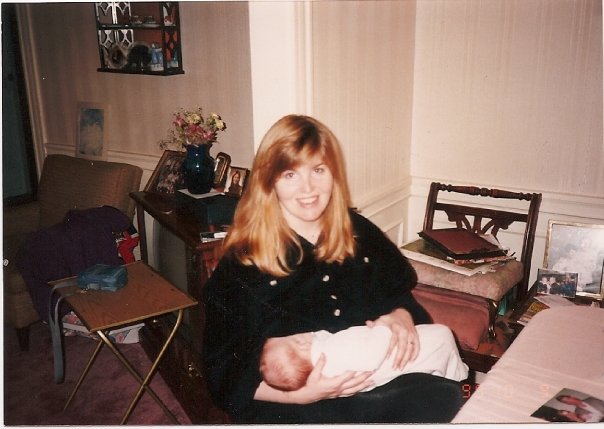 Katherine, a new mom, called me to discuss her milk supply. She was concerned with keeping up the demand of her baby. Then she asked me other breastfeeding questions. She was not sure how to nurse Sadie outside of her house. She thought it was because she needed her “special pillow.” The truth is she doesn’t know how because few women really breastfeed in public anymore. There was an orangutan at a zoo in Boston. The zookeepers mated her and she became pregnant. Ms. Orangutan had been raised in captivity. She had not lived among sister orangutans so she did not know what to do with her baby when he was born – the baby orangutan died. The second time around the zookeepers asked volunteers from the local chapter of La Leche League to nurse their babies in front of the primate. When the second baby was born the primate placed her baby in her arms backwards but with some guidance from the staff quickly learned to feed and care for her baby. This is how we learn. We observe the behavior of others. When I was a pregnant with my first baby I had met a few breastfeeding mothers along the way including my sister-in-law. I took a breastfeeding class to learn as much as I could before my baby arrived. When Phoebe was born she was placed in my arms and we nursed for the first time for about twenty minutes. And then we nursed – a lot. I felt awkward. I fumbled to unlatch my nursing bras, some of which were too big, some of which were too tight and one that broke. I bought dowdy nursing clothes. I wore button shirts. I still felt awkward. Phoebe was born on a hot summer day. I am a gregarious person. I am best chatting with a group. As a new mother I felt isolated. I hungered for company That summer we had a few social events – a wedding, an engagement party – “showing off our baby” weekends. I noticed that wherever I went the host always had a “nice air conditioned room with a comfy chair” for me to go and nurse Phoebe. And Phoebe nursed all the time. I was even isolated in my socialization. Sandra, my brother’s wife had recommended attending a La Leche League meeting. The meetings had been a great resource for her as a new mom. I found the meetings helpful but even more important were the lunch dates after the meetings. Phoebe and I joined other nursing moms monthly at the Thruway Diner. We always sat at the big round table in the center of the bustling eatery. Six to ten moms and their babies smack in the middle of business suits, ties, skirts and silk blouses. This is where I learned to nurse out and about with confidence. I watched the moms with older babies. I saw unspoken communication between them. I saw how a baby might start to wiggle a bit and like Houdini the mom had unhooked her bra, lifted her shirt and latched the baby in seconds flat. It looked effortless and it also looked like there was a baby in her arms – no breasts hanging out, no cover ups – simply a babe in arms. I wanted to be like them. I wanted to feel that assured. I wanted to look that smooth and at ease. As I expressed my envy at their mastery they all assured me that they too had been awkward. They encouraged me to nurse Phoebe in front of a mirror and I did. I grew confident in my ability to nurse Phoebe whenever she needed. At the next social gathering Phoebe started rooting and I said to Rob, “I am going to nurse her here.” He put his arm around me and kept talking. From there I declined offers for the “air conditioned room with a comfy chair.” I eventually became a La Leche League leader and then lactation consultant. I gave birth to two more children. I nursed them all over the place: the bus, the subway, Saks, Barnes & Noble, fancy restaurants, diners. Usually no one except other mother’s knew I was nursing. I was not hiding behind anything just nursing my babies. When my youngest child, Finn, was about 6 months old I was at the pediatrician’s office for a well check up. In the waiting area were two new moms discussing a new product they had just discovered – “The Hooter Hider” one of them said in an embarrassed giggle. Then I started seeing breastfeeding covers everywhere. This was the antithesis of the Thruway Diner experience. A baby begins to fuss, the mother searches her bag for the cover, the baby fusses more, the mother opens the cover, ties it around her, by now the baby is wailing, the mom fumbles with the cover and the baby, the baby kicks about, perhaps not wishing to be under a tent. Now everyone knows what is going on under the fabric. How challenging this makes everything. Breastfeeding by its very nature is designed to be simple. We have complicated it. We have made it shameful and difficult. Like the orangutan new moms today have no real life positive breastfeeding images. Courtney, another new mom, asked me a question about nursing in public. I asked her, “ Do you have any friends who are breastfeeding?” “Yes,” she replied. “So go hang out with them, learn from them,” I offered. “They use a cover or expressed milk in a bottle.” she answered. “Go to the thruway diner!!!” I want to scream. But that was another time, another place. I walk down the street and look into the windows of Victoria’s Secret, American Apparel and Abercrombie + Fitch – this is our provocative world yet we must put a tent around us to feed our babies? We flaunt our breasts to sell products. Breasts are sexy – until they become functional. Then we hide them. A few years ago I could spot a breastfeeding mom because I had a keen eye and I had been there. Nowadays anyone can tell a breastfeeding mom – she is the one hiding behind the overpriced piece of calico.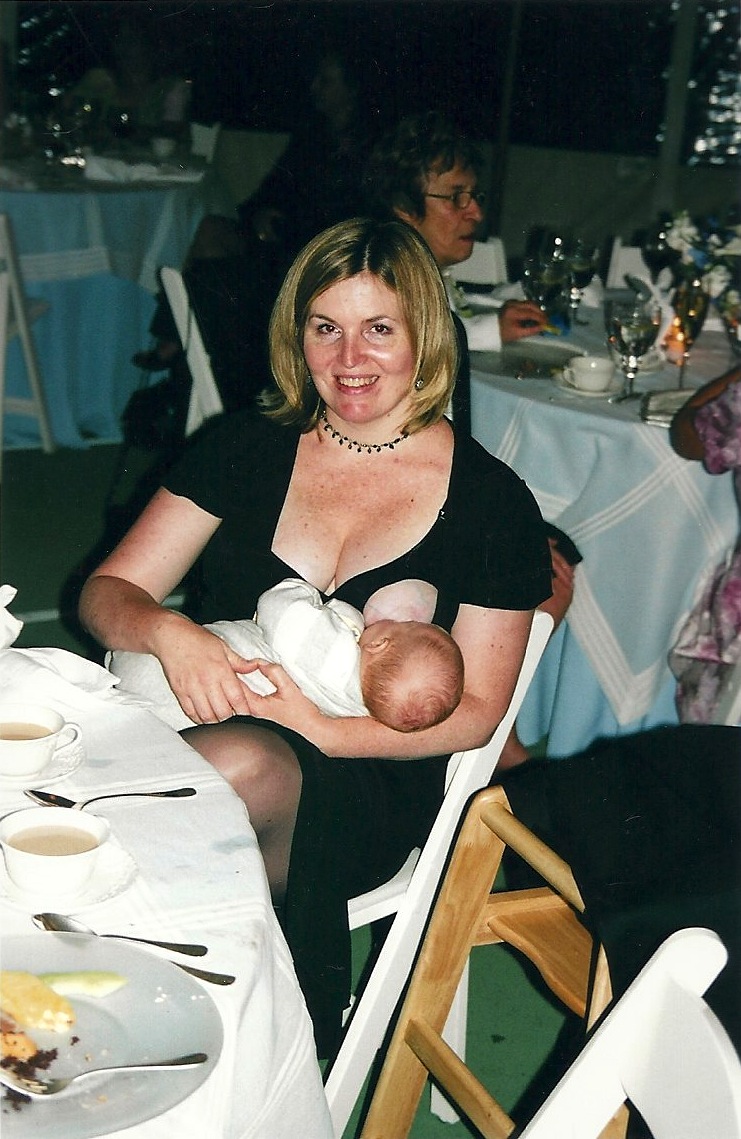
Migrant Mother at MoMA
March 9, 2011
I took a trip with Chloe’s 4th/5th grade class to the Museum of Modern Art. They are studying heroes – everyday heroes. Brandon, one of Chloe’s classmates quickly pointed out that moms are heroes. He loves his mom. He told me, “Moms work really hard all day long but they make it look easy.”
Our MoMa tour guide, Grace, took us through the Museum. It was Tuesday, which is the day MoMA is closed to the public. It was so great to see the amazing art without crowds. Grace took us to the gallery to see Van Gogh’s Starry Night. It was truly breathtaking.
We saw Andy Warhol’s Gold Marilyn Monroe, Picasso’s Girl in the Mirror and the beautiful sculpture Unique Forms of Continuity and Space by Umberto Boccioni.
The most moving exhibit for me yesterday was Dorothea Lange’s photographs of the Great Depression. We focused on Migrant Mother. Grace asked the children to comment on it and share their observations. They noted her pained look into the distance, they noted the determination in her expression, they noted the children on either side of her. I was proud that Chloe noticed the baby in her lap – it is not so obvious. I noticed the baby looked full faced, well fed. I asked Chloe if she knew why the bay looked healthy when the others looked thin. She rolled her eyes and let out a sigh and said, “because she nurses him.” Grace looked over at us. I shared my observation of the full faced baby and Grace commented, “well, yes, the mother is determined to get her children fed.” I said, “the baby is clearly breastfed.” Grace looked at me askance. I smiled. We moved on.
I was so moved by the exhibit and this photograph. I went home and googled Dorothea Lange and Migrant Mother. The Migrant Mother is Florence Owens Thompson. I will not get into the controversy surrounding the photos of Mrs. Thompson but I did find that Dorothea Lange took a few other images of her. There is a beautiful image of her nursing the baby.
Go to the MOMA.

Ban The Breast Burka
February 23, 2011
Katherine, a new mom, called me to discuss her milk supply. She was concerned with keeping up the demand of her baby. Then she asked me other breastfeeding questions. She was not sure how to nurse Sadie outside of her house. She thought it was because she needed her “special pillow.” The truth is she doesn’t know how because few women really breastfeed in public anymore.
There was an orangutan at a zoo in Boston. The zookeepers mated her and she became pregnant. Ms. Orangutan had been raised in captivity. She had not lived among sister orangutans so she did not know what to do with her baby when he was born – the baby orangutan died.
The second time around the zookeepers asked volunteers from the local chapter of La Leche League to nurse their babies in front of the primate. When the second baby was born the primate placed her baby in her arms backwards but with some guidance from the staff quickly learned to feed and care for her baby.
This is how we learn. We observe the behavior of others. When I was a pregnant with my first baby I had met a few breastfeeding mothers along the way including my sister-in-law. I took a breastfeeding class to learn as much as I could before my baby arrived.
When Phoebe was born she was placed in my arms and we nursed for the first time for about twenty minutes. And then we nursed – a lot. I felt awkward. I fumbled to unlatch my nursing bras, some of which were too big, some of which were too tight and one that broke. I bought dowdy nursing clothes. I wore button shirts. I still felt awkward. Phoebe was born on a hot summer day. I am a gregarious person. I am best chatting with a group. As a new mother I felt isolated. I hungered for company
That summer we had a few social events – a wedding, an engagement party – “showing off our baby” weekends. I noticed that wherever I went the host always had a “nice air conditioned room with a comfy chair” for me to go and nurse Phoebe. And Phoebe nursed all the time. I was even isolated in my socialization.
Sandra, my brother’s wife had recommended attending a La Leche League meeting. The meetings had been a great resource for her as a new mom. I found the meetings helpful but even more important were the lunch dates after the meetings. Phoebe and I joined other nursing moms monthly at the Thruway Diner. We always sat at the big round table in the center of the bustling eatery. Six to ten moms and their babies smack in the middle of business suits, ties, skirts and silk blouses.
This is where I learned to nurse out and about with confidence. I watched the moms with older babies. I saw unspoken communication between them. I saw how a baby might start to wiggle a bit and like Houdini the mom had unhooked her bra, lifted her shirt and latched the baby in seconds flat. It looked effortless and it also looked like there was a baby in her arms – no breasts hanging out, no cover ups – simply a babe in arms. I wanted to be like them. I wanted to feel that assured. I wanted to look that smooth and at ease. As I expressed my envy at their mastery they all assured me that they too had been awkward. They encouraged me to nurse Phoebe in front of a mirror and I did. I grew confident in my ability to nurse Phoebe whenever she needed. At the next social gathering Phoebe started rooting and I said to Rob, “I am going to nurse her here.” He put his arm around me and kept talking. From there I declined offers for the “air conditioned room with a comfy chair.”
I eventually became a La Leche League leader and then lactation consultant. I gave birth to two more children. I nursed them all over the place: the bus, the subway, Saks, Barnes & Noble, fancy restaurants, diners. Usually no one except other mother’s knew I was nursing. I was not hiding behind anything just nursing my babies.
When my youngest child, Finn, was about 6 months old I was at the pediatrician’s office for a well check up. In the waiting area were two new moms discussing a new product they had just discovered – “The Hooter Hider” one of them said in an embarrassed giggle. Then I started seeing breastfeeding covers everywhere. This was the antithesis of the Thruway Diner experience. A baby begins to fuss, the mother searches her bag for the cover, the baby fusses more, the mother opens the cover, ties it around her, by now the baby is wailing, the mom fumbles with the cover and the baby, the baby kicks about, perhaps not wishing to be under a tent. Now everyone knows what is going on under the fabric.
How challenging this makes everything. Breastfeeding by its very nature is designed to be simple. We have complicated it. We have made it shameful and difficult. Like the orangutan new moms today have no real life positive breastfeeding images.
Courtney, another new mom, asked me a question about nursing in public. I asked her,
“ Do you have any friends who are breastfeeding?”
“Yes,” she replied.
“So go hang out with them, learn from them,” I offered.
“They use a cover or expressed milk in a bottle.” she answered.
“Go to the thruway diner!!!” I want to scream. But that was another time, another place.
I walk down the street and look into the windows of Victoria’s Secret, American Apparel and Abercrombie + Fitch – this is our provocative world yet we must put a tent around us to feed our babies? We flaunt our breasts to sell products. Breasts are sexy – until they become functional. Then we hide them.
A few years ago I could spot a breastfeeding mom because I had a keen eye and I had been there. Nowadays anyone can tell a breastfeeding mom – she is the one hiding behind the overpriced piece of calico.
The Things I Carry
February 23, 2011
These are the things I carry:
My wallet, at least one lipstick, keys that now have a key card and at least
two obsolete keys. I sometimes carry a small purse, sometimes one larger,
just recently I stopped carrying diapers and wipes. I occasionally carry a
child, I carry a bag for work with an organizer full of handouts and
breastfeeding information. I have a bag of finger cots for testing a baby’s
suck, I carry nipple shields. I often carry a scale for weighing babies before
and after nursing to prove to mom’s that they do have milk or to
understand why a baby is fussy all the time. In my head I carry milk
storage guidelines which I can rattle off but I keep a printed copy for the
parents I see. In my pockets I carry super heroes and fairy dust. I carry
secrets told to me by my children, my other family members, not Rob – he
doesn’t seem to like the concept of secrets. I carry secrets from the moms I
meet, I know who had abortions, I carry milk in my breasts, I carry the
memory of the babies who died in my belly, I carry the feeling of birthing
my three children, I carry the wisdom of my mother and I carry the grief of
her loss. I carry words to songs in my head, I carry the residue of
secondhand smoke in my childhood lungs, I carry the secrets of growing up
in an alcoholic family. I carry a light inside that my mother never let me
forget was bright. I carry love, fear, joy. I carry hair ties.
 mamamilkandme